Proper attachment front lace wigs to the scalp is essential for the comfort of wearing the wig. Avoids unpleasant situations such as wig shifting or rolling.
People who have decided to buy front lace wigs they can help themselves by using dedicated wig adhesives. Their task is to ensure proper adhesion of the wig so that it adheres perfectly to the scalp the entire time it is worn. We will introduce you to the main ones below advantages and disadvantages of gluing front lace wigsand we'll also provide you with the most important tips that will make this task much easier for you. However, remember that if the wig fits snugly, gluing may not be necessary!
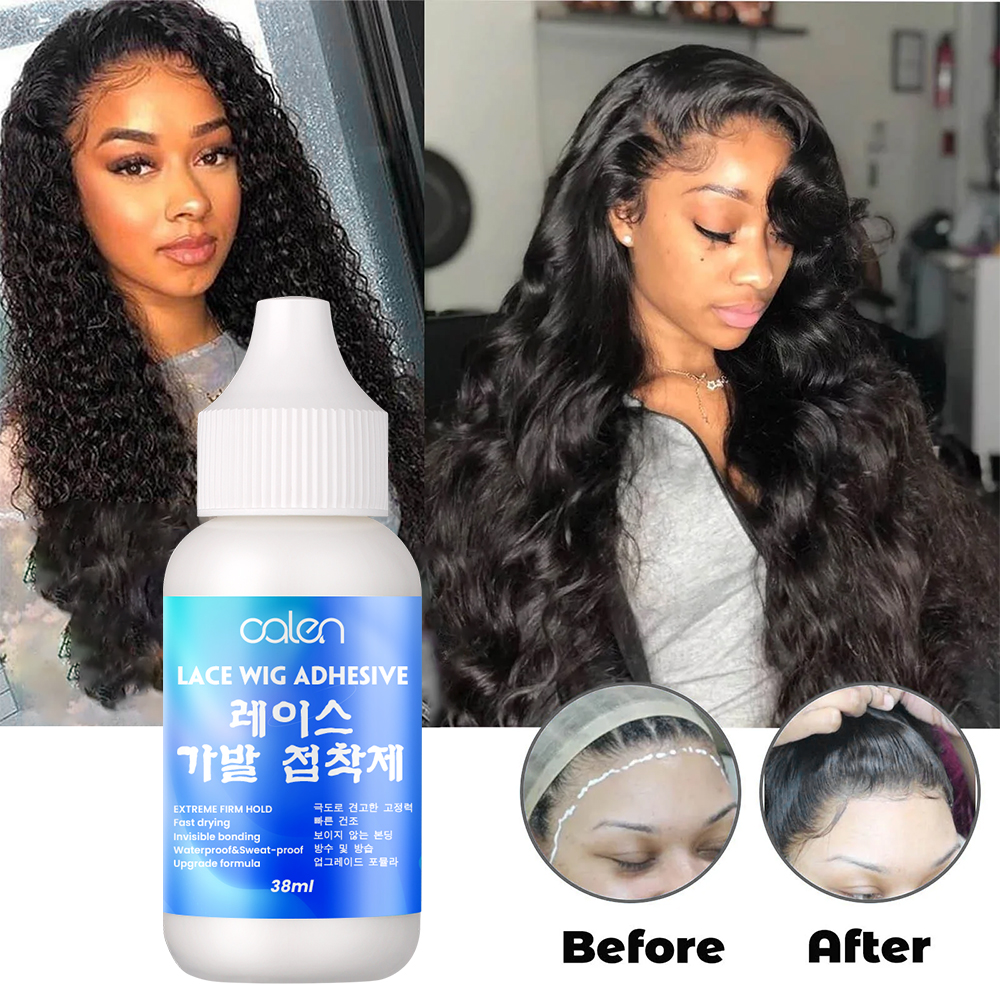
Wig glue - what should you know?
Wigs they can be attached in various ways, using special tapes, clips or adhesives. However, it cannot be denied that the latter method is the most durable and, what's more, it can also be successfully used by people who have lost all their hair.
Hair adhesives are made of ingredients that are safe for the skin, do not cause irritation, and at the same time allow for proper stabilization of the wig. You will find a variety of adhesives on the market that differ in durability and strength, so as to provide you with full comfort of wearing.
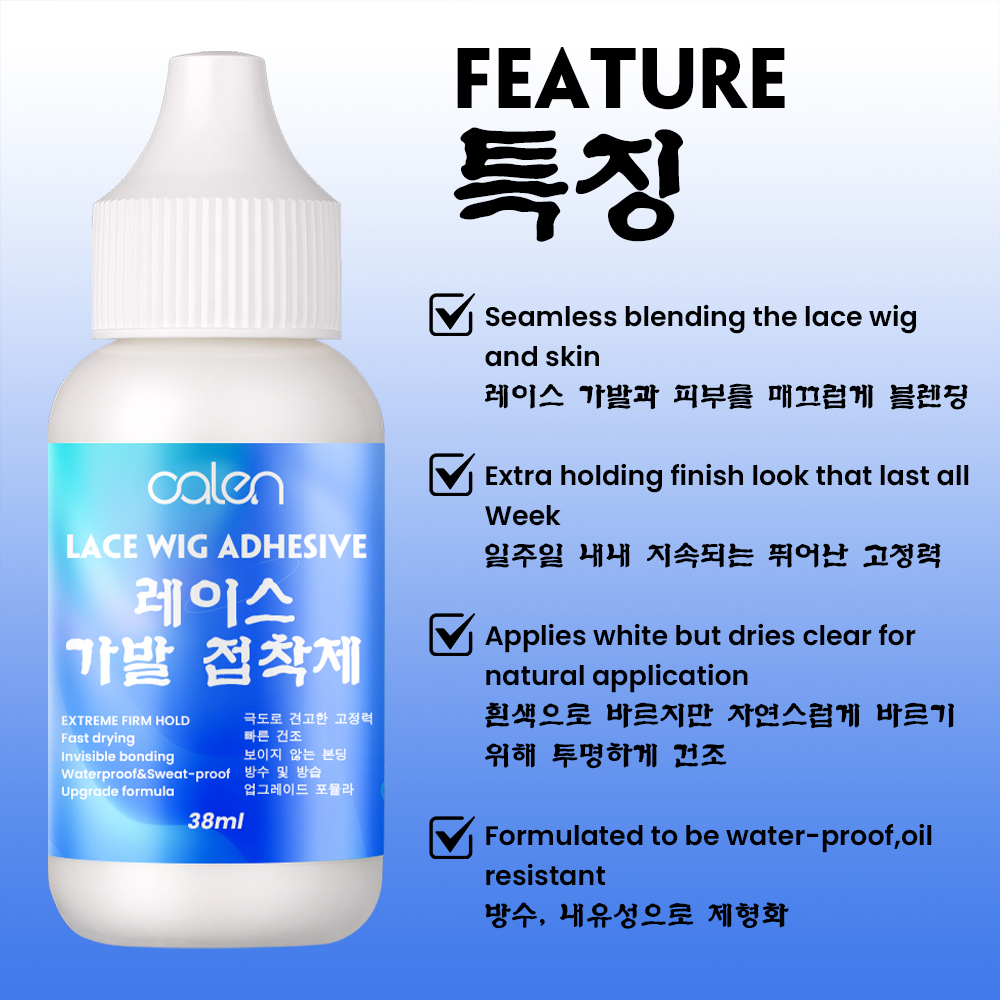
Advantages of wig adhesives:
Strong bond - thanks to the ingredients used, the wig glue ensures maximum wearing comfort. Depending on how many layers you apply, you will be able to wear the wig all day long without fear of loosening it.
Perfect adherence - sticking the wig makes it adhere perfectly to the scalp, thus giving a maximum natural effect.
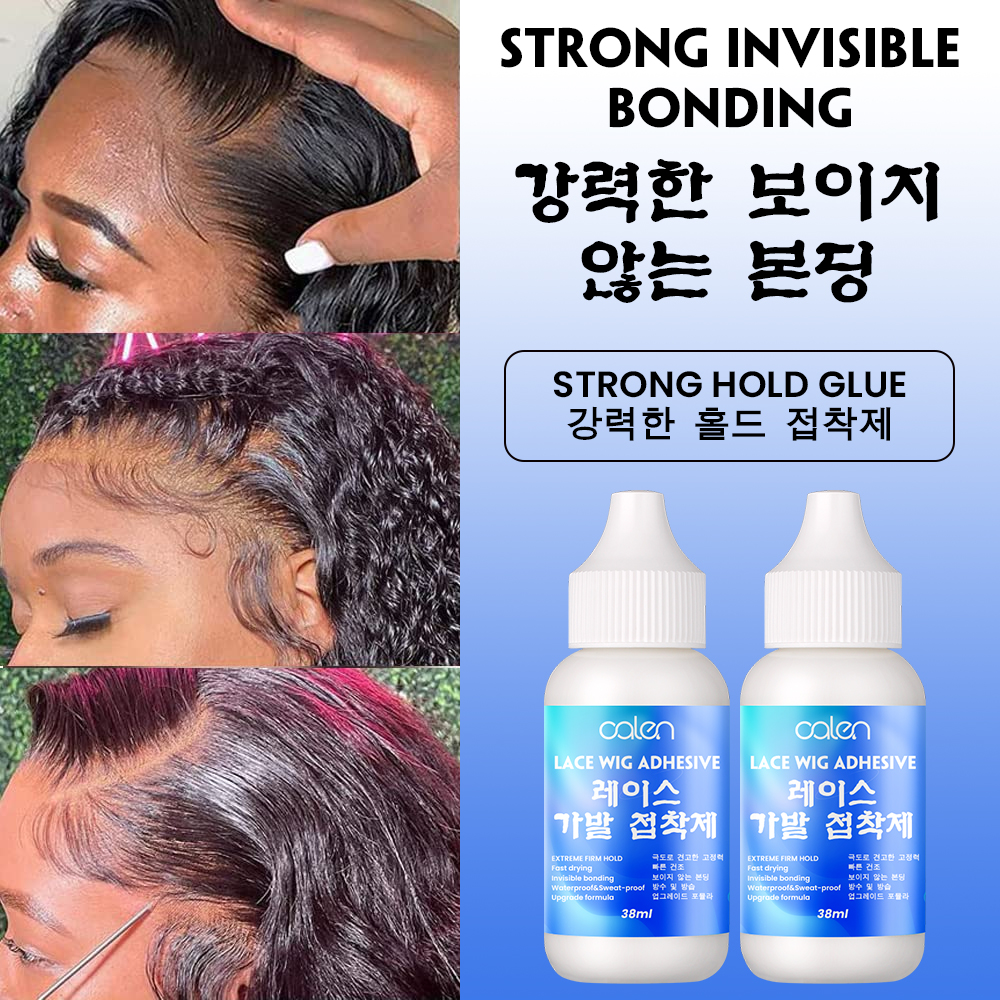
Safe for the skin - teams of experts work on the development of wig glue, ensuring that they provide maximum comfort, without the risk of allergies. However, if you suffer from numerous allergies, then before the first application of the wig, you should carry out an allergic test to exclude the risk of possible allergic reactions.
Easy to remove from the skin - this is especially important. At the end of the day, you'll be able to easily remove any glue residue from your scalp.
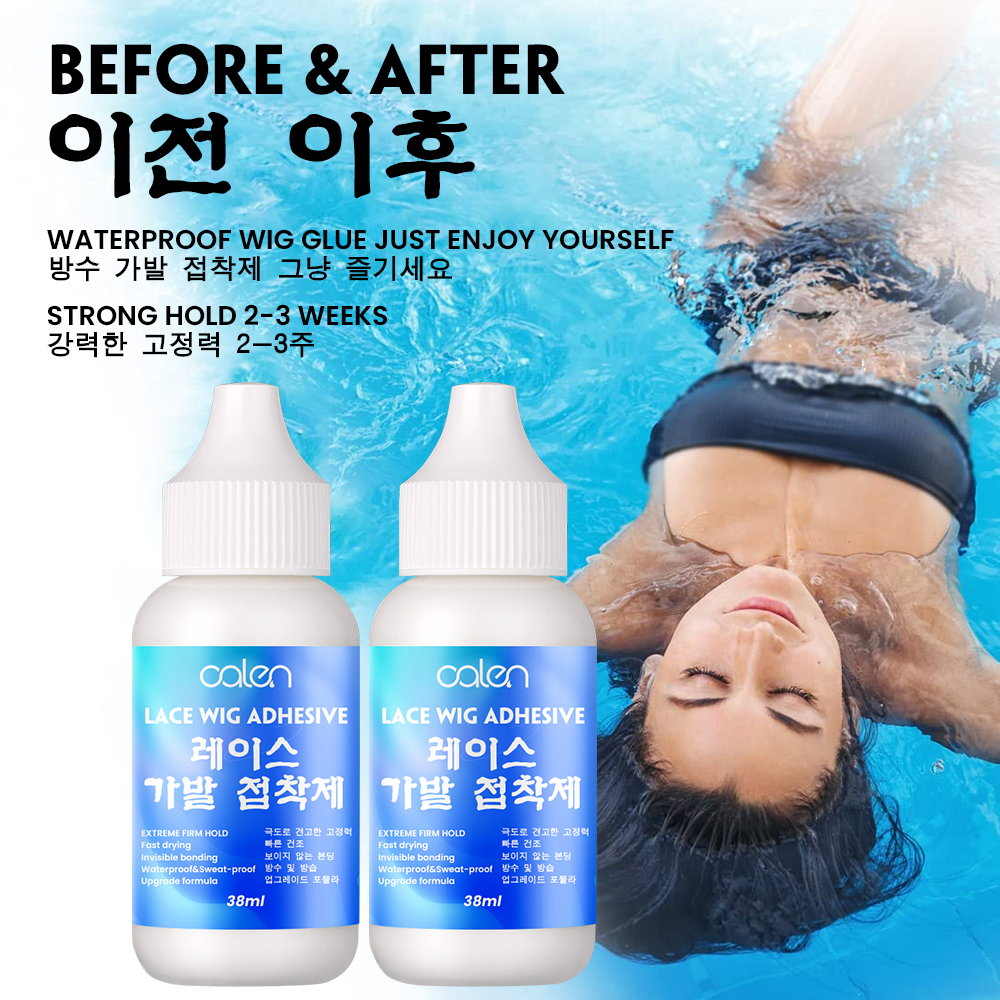
Disadvantages of wig adhesives:
Strong bond - although this is undoubtedly an advantage of adhesives, in the case of inattentive people, it can also be a significant disadvantage. Failure to exercise proper care may lead to fingers, clothes, and scalp sticking, outside the area where the wig should adhere.
Risk of hair damage - this point is especially true for people who have their own hair. If you do not properly protect your natural hair while using the glue, you may damage it.
Difficulties in proper application - in order for the wig to stay properly throughout the day, you must strictly follow the manufacturer's recommendations. Applying too small a layer may cause the wig to peel away from the scalp as it is worn.
When using wig glue, you must remember to always have a liquid to remove glue residues at your fingertips. Only in this way will you be able to get rid of it from the scalp or other sticky areas.
How to stick a lace front wig?
The key to properly gluing your wig is proper preparation. For people who have completely lost their natural hair, it will be much simpler. However, if you have your own hair, you should make sure to flatten it properly before gluing the wig. Regardless of the length of your hair, remember to carefully collect the fine hairs, the so-called baby hair. If they are glued together, they may be damaged or even cut out.
The next stage of preparation for gluing the wig is proper skin cleansing. You should pay particular attention to the forehead. This is where the most sebum is released. Its excess may prevent the glue from sticking to the scalp.
If this is the first time you wear a wig, remember to check that it fits properly before applying the glue. An ideal wig should not move when you move your head, and it should not cause the discomfort of excessive pressure. Once you are sure your wig fits perfectly, you can move on to trimming the lace. Remember that the mesh should be the same length and shape as your natural hairline.
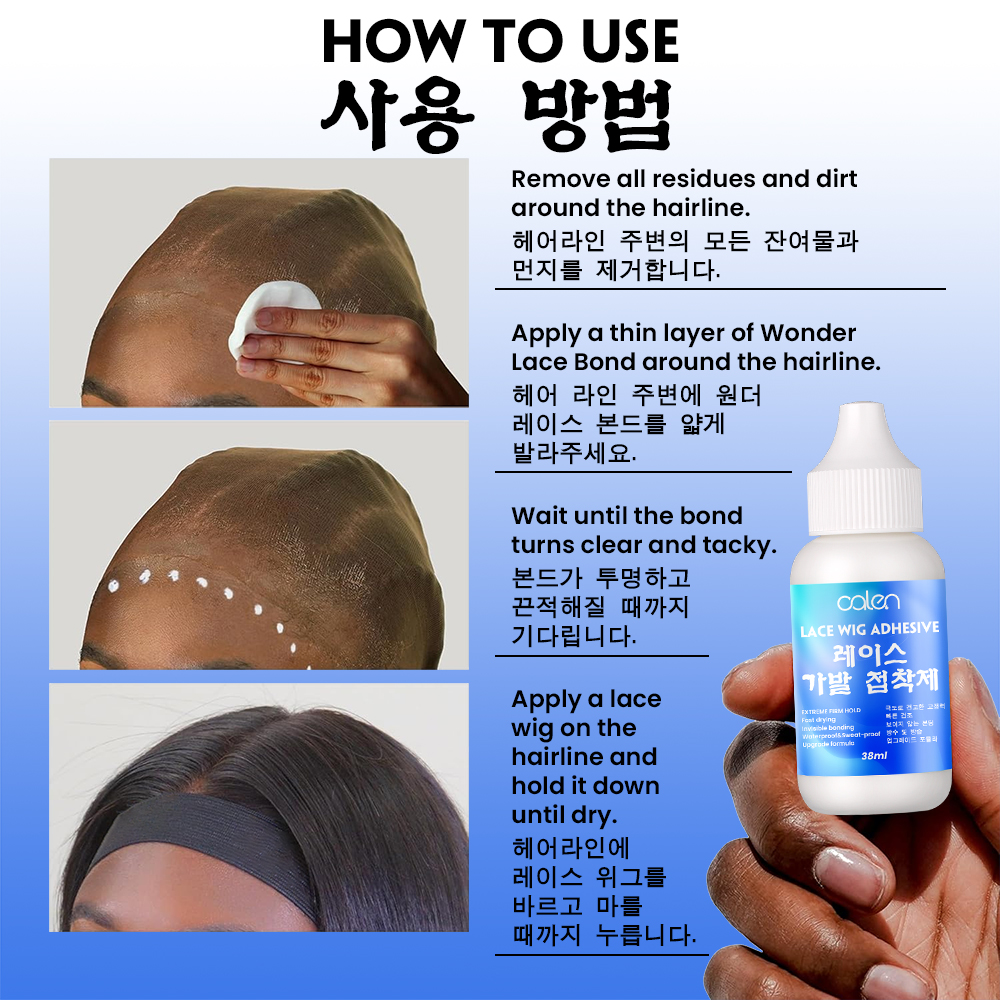
Once you are sure that the wig is properly fitted, you can move on to the final step, which is gluing. For this purpose, you should spread a small amount of glue along the entire hairline, remembering that the layers are evenly distributed. Remember to read the manufacturer's recommendations before each wearing of the wig. Depending on the ingredients used, the adhesive may take more or less time to bond sufficiently.
After the time indicated by the manufacturer has elapsed, you can start putting on the wig. Start from the back by pulling the wig over your head. Remember to cover your hairline thoroughly. Before you attach the wig securely to your scalp, make sure everything is as it should be. This is especially important due to the strong bonding of the adhesive. Once the wig is glued, its removal may be problematic.
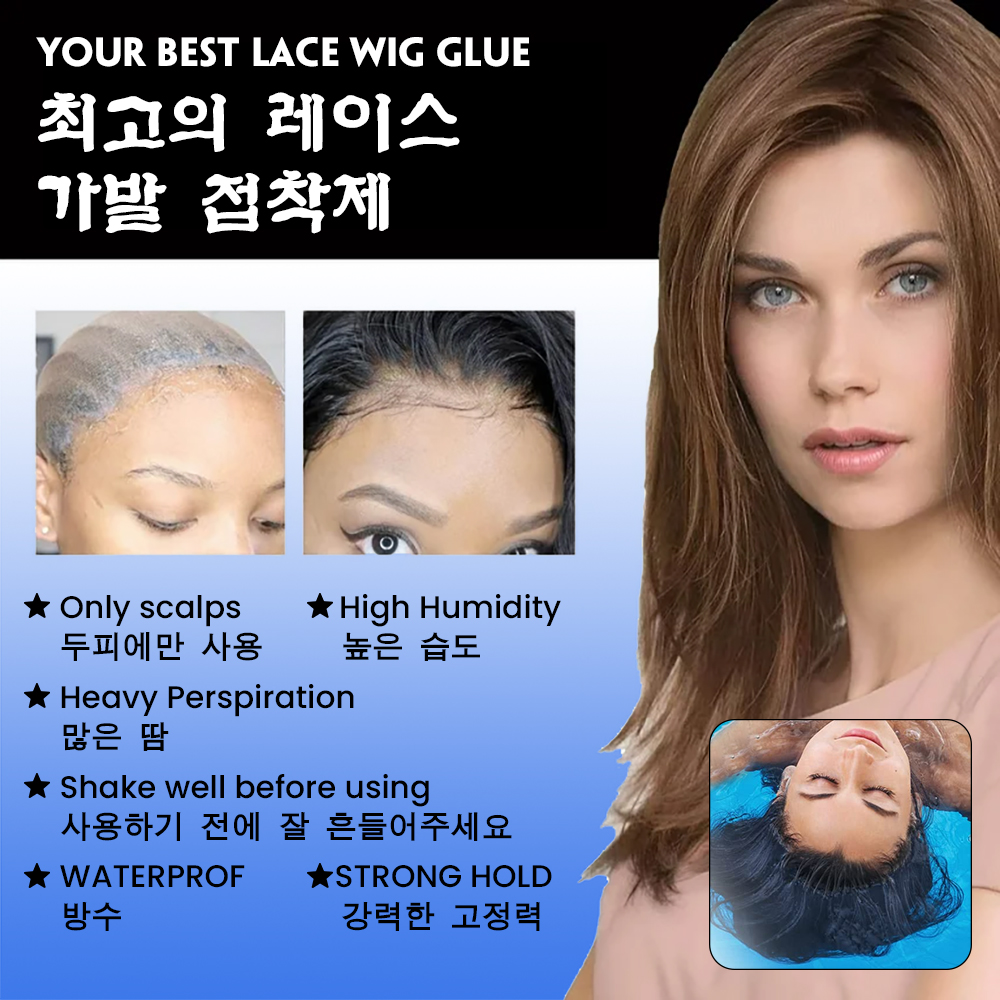
As you can see, glues for wigs may turn out to be a very convenient solution that will make you feel confident and comfortable. Properly fitting a wig is extremely important for our well-being. However, when using wig adhesives, you must remember to do it with careful focus. Even a little carelessness can damage your natural hair or cause your clothes to stick together.


